


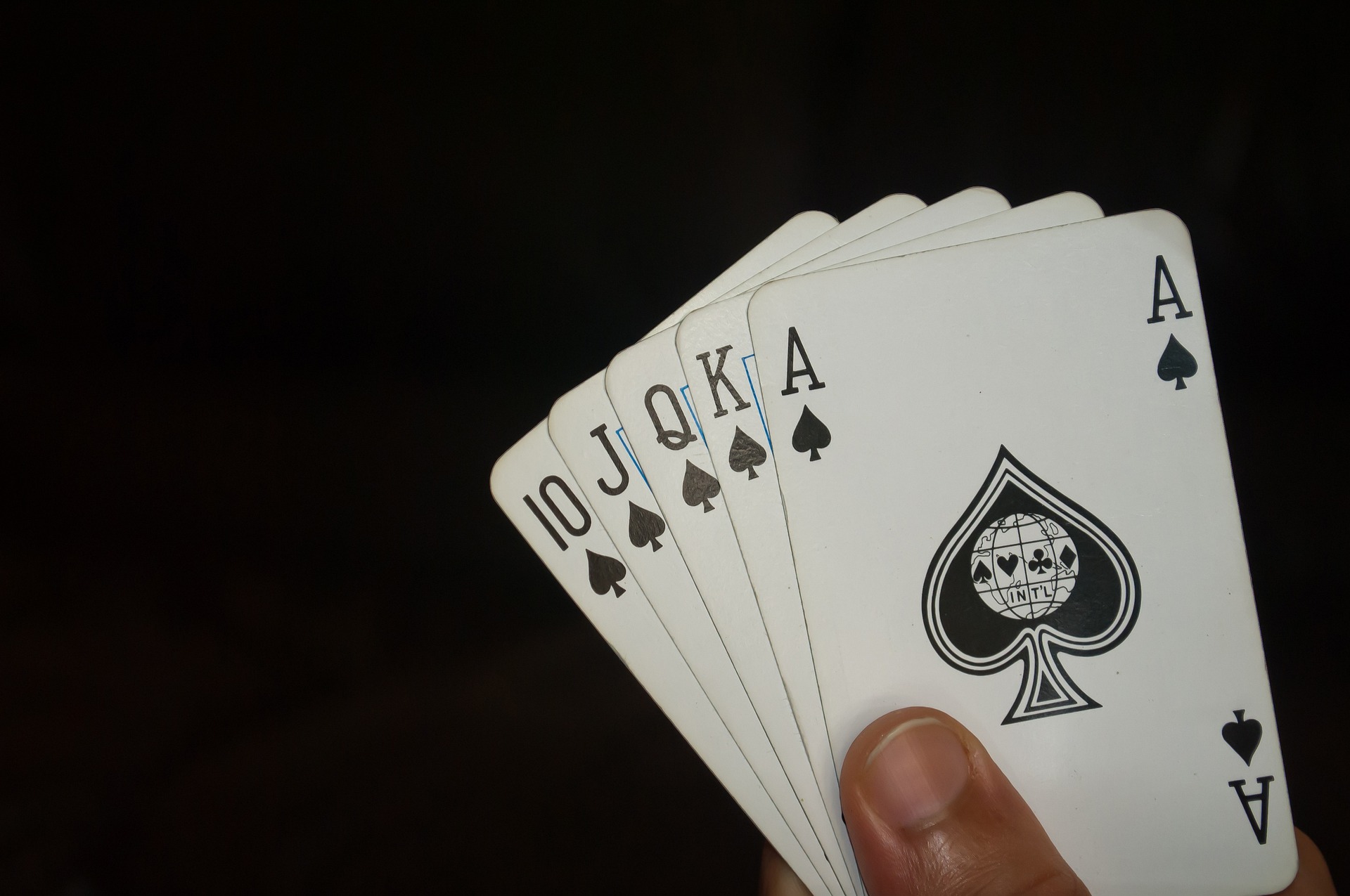
In the world of poker, mastering the art of reading opponents can be the difference between winning and losing. While understanding the mathematical aspects of the game is crucial, the ability to interpret tells and body language can provide a significant edge. In this article we’ll explore the nuances of reading opponents, offering insights into common tells and strategies to enhance your observational skills.
The Importance of Tells
Tells are subtle, often involuntary, cues that reveal information about a player’s hand or intentions. These can be physical gestures, facial expressions, or even changes in betting patterns. Recognizing and interpreting these tells can help you make more informed decisions, whether it’s deciding to call, raise, or fold.
Common Physical Tells
- Eye Movements: Players who glance at their chips after seeing their cards often have a strong hand. Conversely, those who avoid eye contact might be bluffing.
- Shaking Hands: Nervousness can cause a player’s hands to shake, indicating a strong hand or a significant bluff.
- Posture Changes: A player who suddenly sits up straight or leans forward might have a strong hand. Slouching or relaxed posture can indicate a weaker hand.
- Breathing Patterns: Rapid or shallow breathing can be a sign of excitement or nervousness, often associated with a strong hand.
Behavioral Tells
- Betting Patterns: Consistent betting patterns can reveal a lot about a player’s strategy. For example, a player who always bets big with strong hands and small with weak ones can be easily read.
- Speech Patterns: Players who talk more during a hand might be trying to distract or mislead you. Pay attention to changes in their tone or volume.
- Timing Tells: The time a player takes to make a decision can be revealing. Quick bets often indicate confidence, while hesitation can suggest uncertainty or a bluff.
Psychological Tells
- Reverse Tells: Some experienced players use reverse tells to mislead opponents. For example, acting weak when they have a strong hand or vice versa.
- Emotional Reactions: Players who react emotionally to wins or losses can be easier to read. Keeping your own emotions in check is equally important.
Strategies to Improve Your Observational Skills
- Practice Active Observation: Focus on watching your opponents even when you’re not in a hand. This helps you pick up on their habits and tells.
- Stay Unreadable: Be aware of your own tells and work on minimizing them. Consistency in your behavior can make it harder for opponents to read you.
- Use Technology: Online poker tools and software can help you analyze opponents’ betting patterns and tendencies.
- Study and Learn: Read books, watch videos, and learn from experienced players. The more you know, the better you’ll become at reading opponents.
Reading opponents in poker is an art that combines psychology, observation, and experience. By honing your ability to interpret tells and body language, you can gain a significant advantage at the table. Remember, the key is to stay observant, adaptable, and always be learning. Whether you’re a novice or a seasoned pro, mastering this skill can elevate your game to new heights.