


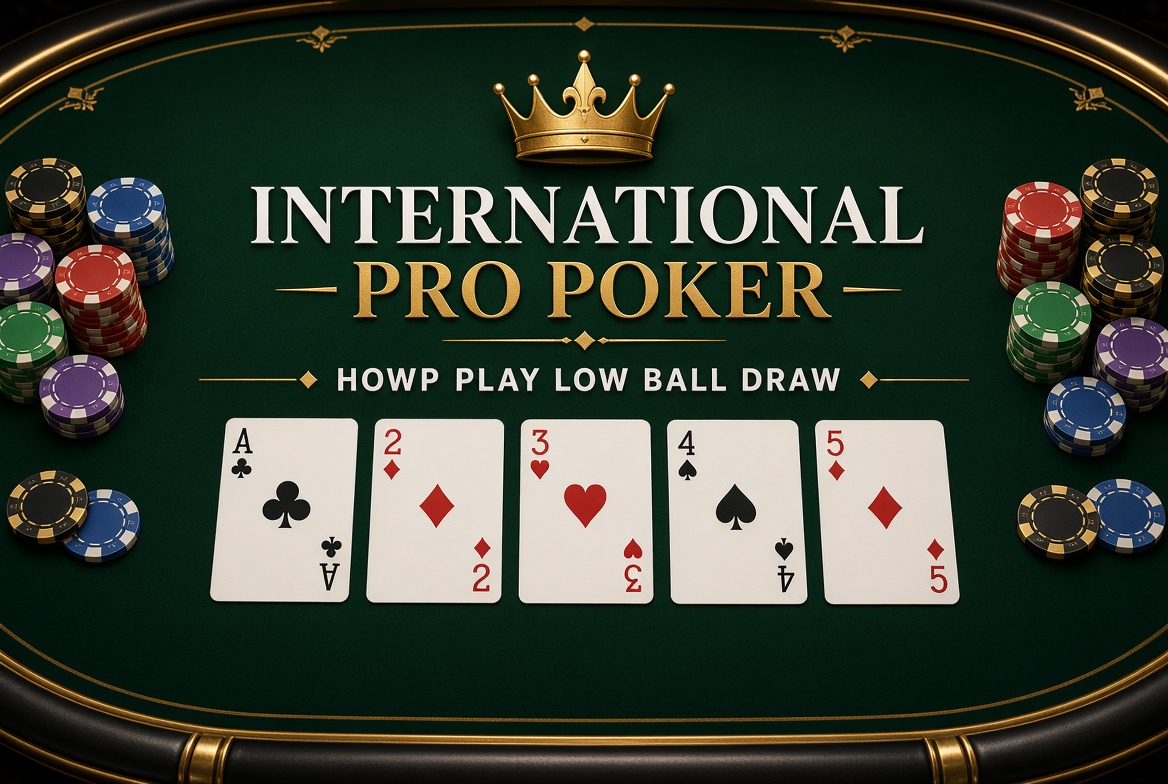
Lowball Draw is an exciting poker variant where the lowest hand wins. This game reverses the typical high-hand poker rules, offering a fresh and strategic twist. Here’s a comprehensive guide to playing Lowball Draw.
1. The Basics of Lowball Draw
Objective: The goal in Lowball Draw is to make the lowest possible five-card hand.
The Deck: A standard 52-card deck without jokers is used.
Players: Lowball Draw is typically played with 2 to 8 players.
2. The Setup
Ante: Before the cards are dealt, each player puts a small, predetermined amount of money into the pot. This ensures there is always something to play for.
Dealing: Each player is dealt five cards, all face down. The players can look at their own cards but should keep them hidden from their opponents.
3. The First Betting Round
Starting the Bet: The first betting round begins with the player to the left of the dealer. Each player has the option to call (match the current bet), raise (increase the bet), or fold (discard their hand and forfeit the round).
4. The Draw
Drawing New Cards: After the first betting round is complete, each player has the opportunity to improve their hand by drawing new cards. They can discard any number of their cards (from one to five) and receive new ones from the dealer. If a player is satisfied with their hand, they can choose to “stand pat” and not draw any new cards.
The Deal: The dealer gives new cards to the players who discarded some of their original five cards. The draw is done in a clockwise manner starting with the player to the dealer’s left.
5. The Second Betting Round
Betting Again: After the draw, there is a second round of betting. This round starts with the player to the left of the dealer. Players can again choose to call, raise, or fold. The betting continues until all bets are matched.
6. The Showdown
Revealing Hands: If more than one player remains after the final betting round, a showdown occurs. Players reveal their hands, and the player with the lowest five-card hand wins the pot.
7. Hand Rankings
In Lowball Draw, the hand rankings are reversed. Here are the common variations and their rankings:
Ace-to-Five Lowball (California Lowball):
- Five High (Wheel): 5-4-3-2-A
- Six High: 6-4-3-2-A
- Seven High: 7-5-4-3-2
- Eight High: 8-6-4-3-2
- Nine High: 9-7-6-4-3
Deuce-to-Seven Lowball (Kansas City Lowball):
- Seven High: 7-5-4-3-2
- Eight High: 8-6-5-4-3
- Nine High: 9-7-6-5-4
- Ten High: 10-8-7-6-5
- Jack High: J-9-8-7-6
In both versions, straights and flushes count against you. In Ace-to-Five, aces are low, while in Deuce-to-Seven, aces are high.
8. Strategies for Lowball Draw
Starting Hand Selection: In Ace-to-Five, low cards like A-2-3-4-5 are ideal. In Deuce-to-Seven, discard high cards and keep low cards.
Observing Opponents: Pay attention to how many cards your opponents draw. This can give you clues about the strength of their hands. If an opponent stands pat, they likely have a strong low hand.
Bluffing: Bluffing can be effective, especially if you stand pat. However, use it cautiously, as experienced players can often detect bluffs.
Position: Your position in the betting order matters. Players who act later have more information about their opponents’ actions and can make more informed decisions.
Patience: Lowball Draw requires patience. Wait for strong hands and favorable situations to bet or raise.
Conclusion
Lowball Draw is a fascinating and strategic poker variant that requires careful observation, solid hand selection, and strategic betting. By understanding the rules and implementing the right strategies, you can become a formidable Lowball Draw player.